
Why Chiropractic Care & PEMF Therapy Are A Great Choice For Frozen Shoulder Sufferers

There are a lot of shoulder conditions out there that can be explained. Rotator cuff injuries typically happen from overuse of playing a sport or activity. A fall on an outstretched hand or directly on the shoulder itself can cause AC joint injuries or even impingement. But there is one shoulder diagnosis that continues to stump medical professionals on how it exactly occurs and it is called frozen shoulder (a.k.a. "Adhesive Capsulitis").
For this condition there is no true mechanism of injury but we can take a closer look at some factors in order to help effectively treat and prevent it from occurring in the future. Adhesive Capsulitis affects 2.4 out of every 1,000 people each year and it can progress until there's little to no movement possible in the affected shoulder.
What Exactly Is A Frozen Shoulder?
Frozen shoulder, also known as adhesive capsulitis, is a condition in which the shoulder becomes stiff, inflamed and very painful. The normal range of motion of the shoulder is drastically diminished causing daily activities to become very difficult. The actual tissues inside of the shoulder joint and the surrounding capsule forms adhesions that cause stiffness.
These adhesions are pieces of scar tissue that limit the motion of the ball and socket joint of the shoulder. Inflammatory chemicals are located inside of the scar tissue so that as the shoulder moves in certain positions these chemicals are released that elicit pain deep inside of the front of the shoulder or even the upper part of the arm. The most difficult part about this type of injury is that non-use of the arm with time can make the problem worsen and lead to less range of motion which delays recovery time.
$97 New Patient Special Offer
Step 1 Includes Consultation, Examination & Any Necessary X-rays. Step 2 Includes Doctor's Report Of Findings, First Chiropractic Adjustment & First Additional Therapy (decompression or PEMF)
How Our Care Plan Works
See Exactly What Is Wrong
You won’t be left guessing about your health. We start with a detailed consultation & physical exam, but the real difference is in our comprehensive digital X-rays. You'll see exactly what’s going on: where the spine is misaligned, how severe it is, and why you feel the way you do. Instead of vague explanations or guesswork, you’ll get clear answers that finally make sense of your symptoms & show the best path moving forward.
Achievable & Lasting Results
Your care shouldn’t feel overwhelming or impossible to follow. That’s why we build a personalized plan that works in the real world. We combine chiropractic adjustments, modern therapies, & simple at-home recommendations to help you correct posture, restore movement, & keep your results long after your visit. It’s a straightforward, achievable plan designed to create sustainable improvement—not quick fixes that fade a week later.
Be Able To Do Everything You Want To Do
Our goal goes beyond getting you out of pain—we want to help you get your life back. By addressing the root causes of your discomfort and giving your spine the long-term support it needs, we help you return to the activities that matter most: working without distraction, exercising with confidence, or simply moving through your day without hesitation. We’ll guide you through lasting changes so you can be free to do everything you love.
Services That Work Best For This Condition
(Click on the image to learn more)

Chiropractic Care

HEIT Therapy
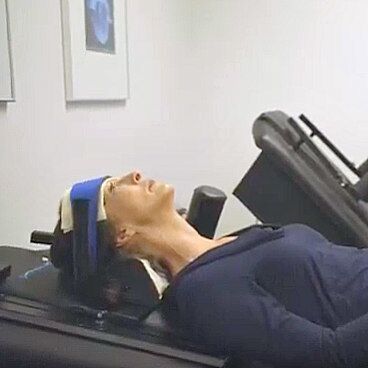
Cervical Decompression
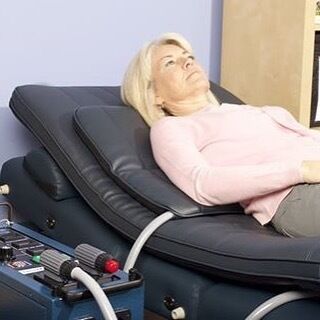
PEMF Therapy
Check Out Our Online Reviews
How Is Frozen Shoulder Diagnosed?
The most common age range for someone to be diagnosed with frozen shoulder is between the ages of 40-60 years old. It affects women more than men as well as diabetics have been shown to be a key demographic for the condition. There is no known reason yet for this connection. The tell-tale sign for frozen shoulder is to have a range of motion not only reduced with active movement (by the individual) but also passive movement as well (performed by the doctor) in all directions.
One of the only aspects of a patient’s history that could possibly be linked to a reason for obtaining frozen shoulder is previous immobilization. This would occur if someone had to wear a sling, brace or possibly a shoulder wrap when healing from a fracture of possible ligaments or muscle tear of the shoulder.
Imaging such as x-rays may reveal possible signs of arthritis in the shoulder joint or increased calcifications around the joint capsule. The most effective method for diagnosing frozen shoulder is an MRI. This type of imaging will show more soft tissues to effectively diagnose frozen shoulder as well as rule out possible rotator cuff or ligament damage that can be a secondary condition that might require surgical intervention.
What Are The Stages Of Frozen Shoulder?
Frozen shoulder is an unusual type of injury because not only can it take a long time to heal in some cases but it progresses in stages. The first stage is known as the freezing stage where any movement is painful and the range of motion begins to reduce. This can last on average for 3-4 months for most patients.
The second stage is called the frozen stage which is the “hallmark” time of the condition when pain is at its highest point and range of motion is the most difficult. For some patients, this very difficult interval can last up to 6 months without a method of treatment being implemented.
The last stage is known as the thawing stage where the pain level starts to go down and the range of motion of the shoulder begins to show improvement. This can also be called the recovery stage of the condition and will last around 3 months. So, the total time for recovery from frozen shoulder can last up to a year or even longer. This is why it is very important to catch the symptoms early and seek treatment before the condition worsens which will prolong the recovery time.
Check Out Our Locations Near You
Galleria
1770 Saint James Place #210
Houston, TX 77056
Greenway Plaza
3334 Richmond Avenue #107
Houston, TX 77098
Memorial City
10497 Town & Country Way #100, Houston, TX 77024
What Is The Treatment For A Frozen Shoulder?
Chiropractic Care
The first step towards fixing a frozen shoulder is to have a proper examination of the injured area by your chiropractor to see which motions of the shoulder are the most reduced. This is important to help determine which adjustments to the spine, adjustments to the shoulder, and physical therapy exercises should be implemented as well as the best adjustment to be applied to the affected shoulder joint. Once the joint gains better motion from the adjustment, then muscle stimulation can be used to help reduce pain and continually free up the surrounding musculature.
PEMF Therapy
A therapy known as PEMF (pulsed electromagnetic field) can then be used to help enhance the cellular charges deep within the body that are at a lower energy due to pain and inflammation. This will allow the cells to come to a higher energy state allowing the body to self heal. PEMF therapy and chiropractic adjustments must be performed consistently to obtain the best results.
Home Exercise Program
A good physical therapy program is important and can be performed at home on a daily basis. The first part of the program will involve stretching the shoulder capsule. The adhesions that form around the capsule and the shoulder joint need to be continuously stretched to avoid worsening of the condition otherwise the freezing stage lasts much longer and will eventually cause a very painful frozen stage. The next part of the physical therapy program will involve strengthening of the shoulder.
Make sure that shoulder range of motion is almost completely normal before beginning this phase of therapy. Some shoulder strengthening exercises can cause increased stiffness so it is important to look for warning signs of any pain or discomfort. The total time frame for healing of a frozen shoulder can range from 6 months to 1 year but this can vary from person to person as well as the severity of the condition.
What If Doesn't Improve?
If there is no progression with conservative treatment of frozen shoulder, then the next step is to obtain further medical imaging and confirm that there is no significant tendon or ligament damage. If there is soft tissue damage, then sometimes the only option will be to receive possible corticosteroid injections or even surgery.
This is rare in most cases unless there is a previous trauma to the shoulder that was never examined or treated. That is why it is important to always seek guidance with any injury and to not always allow it to heal on its own with no means or treatment or therapy.